
Fire Alarm Testing Requirements
California NFPA 72 Compliance Guide
Short Answer
Most commercial fire alarm systems in California must be inspected and tested at least annually, with some components requiring quarterly or semi-annual checks. The exact schedule depends on your system type, occupancy classification, and local Authority Having Jurisdiction (AHJ).
Where This Requirement Comes From
The testing schedule is set primarily by NFPA 72, the National Fire Alarm and Signaling Code, which California adopts and enforces through the California Fire Code (CFC). NFPA 72 breaks testing frequency down by device type rather than treating the whole system as one unit.
Typical Testing Intervals
- Annually: Full system functional test, including initiating devices (smoke detectors, pull stations, heat detectors) and notification appliances (horns, strobes)
- Semi-annually: Some monitoring and supervisory functions, depending on system type
- Quarterly: Certain supervised systems and specific device categories
- Monthly: Visual inspections of control panels in some occupancies
Your local fire marshal’s office can confirm which interval applies to your specific system and building type — this can vary by city and county even though the underlying code is statewide.
Why This Matters Beyond Compliance
Missed or lapsed testing isn’t just a code violation — it’s the most common reason a fire alarm system fails to perform when it’s actually needed. Insurance carriers also frequently request current inspection records after a claim, and an out-of-date test schedule can complicate a payout.
What Happens During a Test
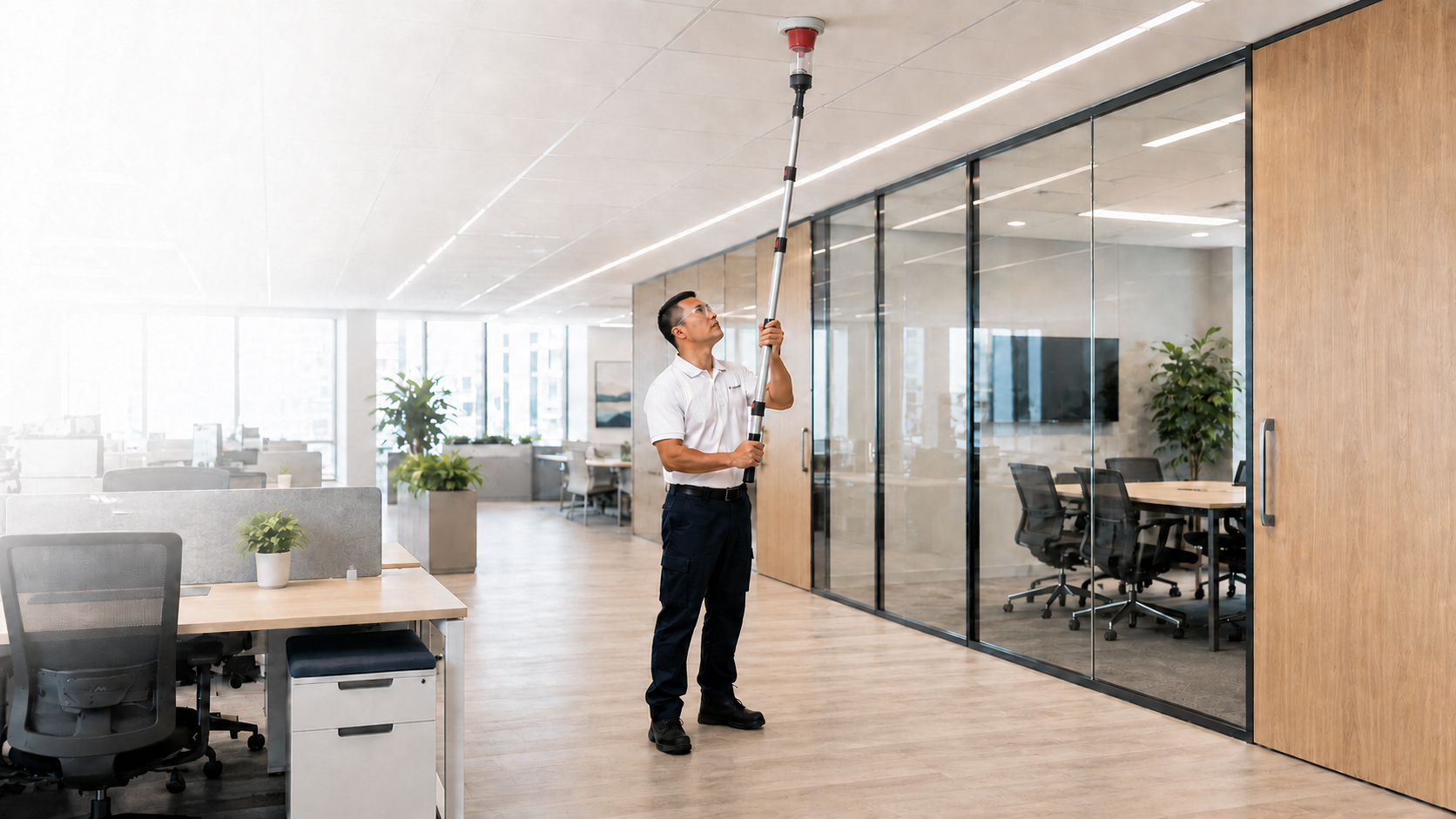
A licensed technician verifies that every initiating device triggers correctly, every notification device activates, and the panel correctly reports and logs each event. Any deficiencies get documented, and in most jurisdictions a copy of the test report needs to be kept on-site and available to the fire marshal on request.
Keeping Your System Compliant
The easiest way to avoid a lapse is a standing service schedule rather than reactive testing. HCI Systems provides fire alarm inspection, testing, and monitoring across California, with technicians who track your specific interval requirements so you’re not tracking compliance dates yourself.
Frequently Asked Questions
Do all fire alarm components need testing on the same schedule?
No. Different device types have different required intervals under NFPA 72 — this is one of the more commonly misunderstood parts of the code.
Who can perform fire alarm testing in California?
Testing must be performed by a licensed fire protection contractor or technician, and in most jurisdictions the test report must be signed and kept on file.
What happens if my system fails inspection?
Deficiencies must typically be corrected within a set window set by your local AHJ, and some issues may require immediate correction if they affect life safety.